Feb 12, 2026
What are the common symptoms of mold exposure from hidden sources?
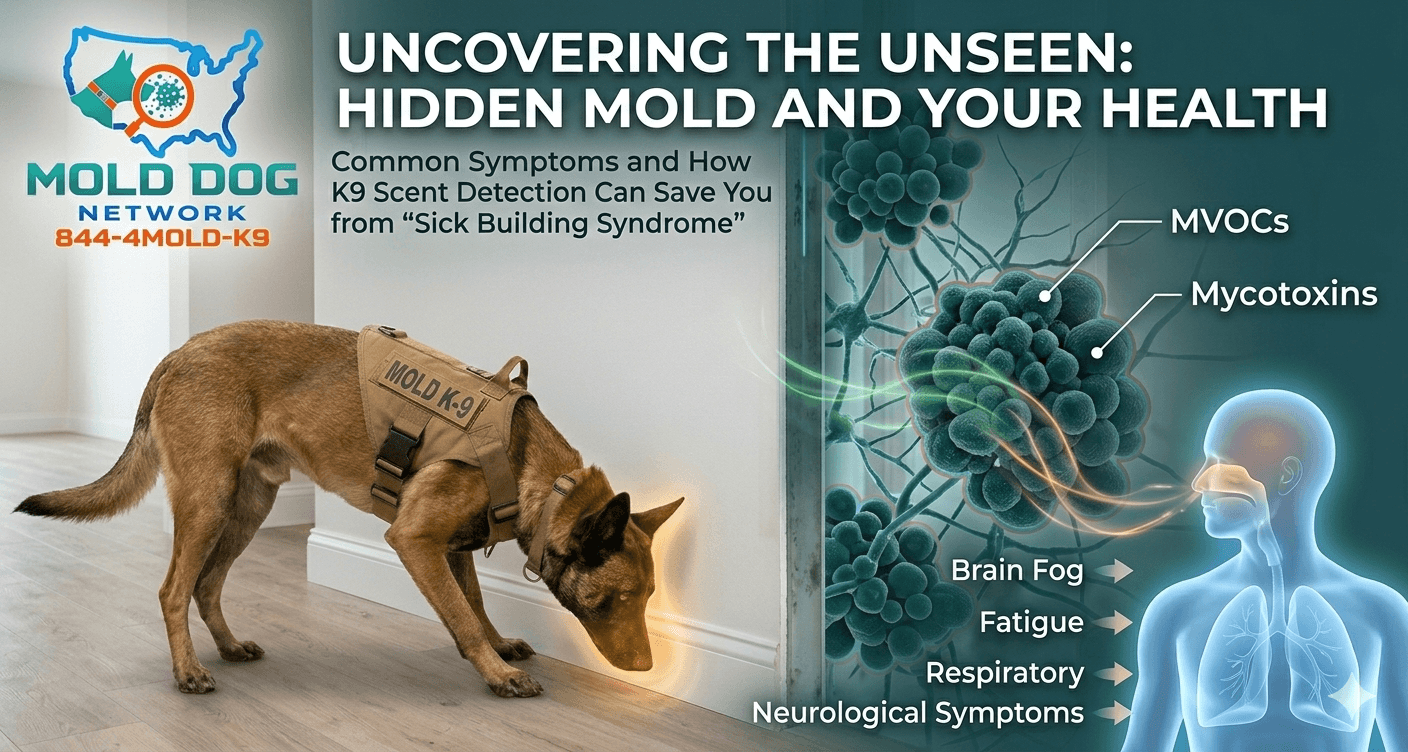
Symptoms of hidden mold exposure often mimic chronic seasonal allergies or a persistent cold, including nasal congestion, wheezing, red or itchy eyes, and skin rashes. Because the mold is not visible, many homeowners suffer for months or years without realizing their HVAC system or wall cavities are the primary source of their physical distress.
In more severe cases involving toxic species like Stachybotrys chartarum, individuals may experience "brain fog," chronic fatigue, or even neurological disruptions. These symptoms occur because the mold is actively releasing mycotoxins and gases into the living space. Unlike a visible leak that gets fixed quickly, hidden mold provides a low-level, constant exposure that can tax the immune system. Our K9 teams are trained to find these specific toxic colonies that are often tucked away in "dead air" spaces where human senses and traditional moisture tools fail to reach.
Can a mold dog detect toxic black mold behind bathroom tile or kitchen cabinets?
Yes, a certified mold dog can detect toxic black mold through dense materials like ceramic tile, cabinetry, and flooring by sensing the specific Microbial Volatile Organic Compounds (MVOCs) that seep through grout lines and seams. This makes canine detection the only truly "search-and-identify" method that doesn't involve removing expensive finishes just to see if a problem exists.
When toxic mold grows behind a barrier, it creates a pressurized pocket of gas. These MVOCs are incredibly small molecules that move through the tiniest cracks in a building's envelope. A K9 handler utilizes the dog’s natural drive to "hunt" these scents to their origin. While a human might smell a general "earthy" odor in a kitchen, a mold dog can pinpoint the exact cabinet base or the specific section of a shower wall where the infestation is concentrated, allowing for localized, surgical repairs rather than a full room demolition.
What are the health risks of breathing MVOCs in a finished basement?
The primary health risk of breathing MVOCs (Microbial Volatile Organic Compounds) is the direct irritation of the central nervous system and the respiratory tract, which can lead to headaches, dizziness, and nausea. In finished basements, where ventilation is often poor, these gases can reach concentrations that are significantly higher than in the rest of the home.
Basements are notorious for "trapping" these gases behind finished drywall and under laminate flooring. Because MVOCs are the metabolic byproducts of mold growth, their presence indicates an active biological process is occurring. Prolonged inhalation of these compounds has been linked to heightened sensitivity in asthma patients and can trigger "Sick Building Syndrome" in otherwise healthy individuals. Our K9 detection process focuses on identifying these gas plumes to find the moisture-wicking materials that are feeding the mold, effectively stopping the chemical off-gassing at its source.
Is K9 detection the best non-toxic mold detection for families with allergies?
K9 mold detection is widely considered the best option for sensitive families because it is a clean, quiet, and chemically-free process that does not stir up dust or dormant spores. Unlike invasive inspections that might require cutting "investigative holes" into the wall (which can release millions of spores into the air), a dog simply sniffs the air around the perimeter of the room.
For families with severe mold sensitivities or "CIRS" (Chronic Inflammatory Response Syndrome), maintaining a "clean" environment during the inspection is paramount. Using a K9 handler ensures that the home remains undisturbed while still providing a definitive answer. There are no chemicals, no loud machinery, and no structural damage involved in the search. This allows the family to identify the problem areas and plan for professional remediation without accidentally worsening their symptoms by disturbing a hidden colony prematurely.
How do you find the source of mold illness when air tests come back clear?
When air tests come back clear but health symptoms persist, the problem is often "heavy" mold species or dormant colonies that are not currently shedding spores but are still releasing toxic MVOC gases. A K9 handler can find these "silent" sources because the dog is trained to alert on the scent of the organism itself, not just the airborne spores that a laboratory pump might miss.
Air sampling is a "snapshot in time" that can be easily skewed by factors like humidity, airflow, or even recent vacuuming. If a mold colony is trapped behind a vapor barrier, it may never release spores into the room air, leading to a "clear" lab report despite a massive infestation. A mold dog's nose is not fooled by these barriers. By identifying the specific "hot spots" where a dog alerts, homeowners can finally connect their health symptoms to a physical location in the house and take the necessary steps to reclaim their health.
Prioritize Your Health with The Mold Dog Network
Your home should be a sanctuary, not a source of illness. If your family is struggling with persistent symptoms and you suspect hidden mold is the culprit, our specialized K9 teams can provide the diagnostic clarity you need without disrupting your home.
Invisible Allergens: Finding the Source of Mold Illness with K9 Scent Detection
Feb 12, 2026
The Hidden Deal-Killer: Using K9 Scent Detection to Protect Your Real Estate Investment
Jan 21, 2026

K9 Mold Detection: Is a Dog's Nose More Accurate Than Air Testing?
Jan 15, 2026
Can a Human Inspector Really See Through Walls? (Why "No Visible Mold" Doesn't Mean You're Safe)
Dec 31, 2025
The "Stop It Before It Starts" Home Maintenance Checklist (2026 Edition)
Dec 31, 2025
Is Your Home Sabotaging Your 2026 Health Goals? The Hidden Link Between "Brain Fog" and Mold
Dec 15, 2025

Why Mold Dog Network Puts Families and Businesses First
Nov 15, 2025

Protecting Kentucky Homes with K9 Mold Detection: Our LEX 18 Interview
Nov 5, 2025

5 Questions to Ask Before Hiring a Mold Inspector in Lexington KY
Oct 15, 2025

Mold and Real Estate: Why Inspections Matter Before You Buy in Lexington
Sep 12, 2025

Schools and Mold: Keeping Kids Safe in Lexington
Aug 22, 2025

Crawl Space & Basement Mold in Lexington: Hidden Threats in Historic Homes
Aug 12, 2025
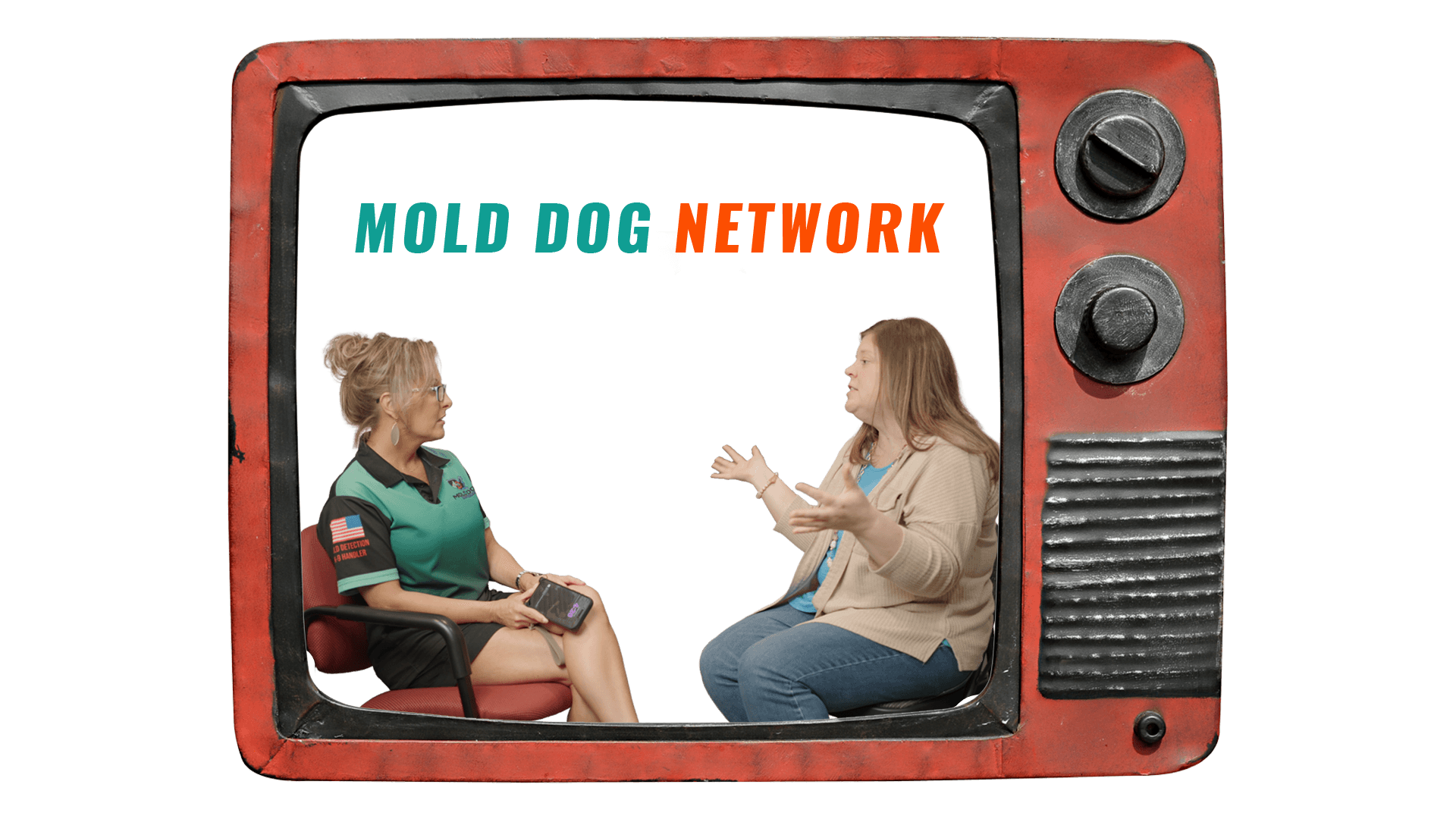
A Light at the End: Wendy’s Story of Mold, Misdiagnosis, and Hope in Lexington KY
Jul 28, 2025
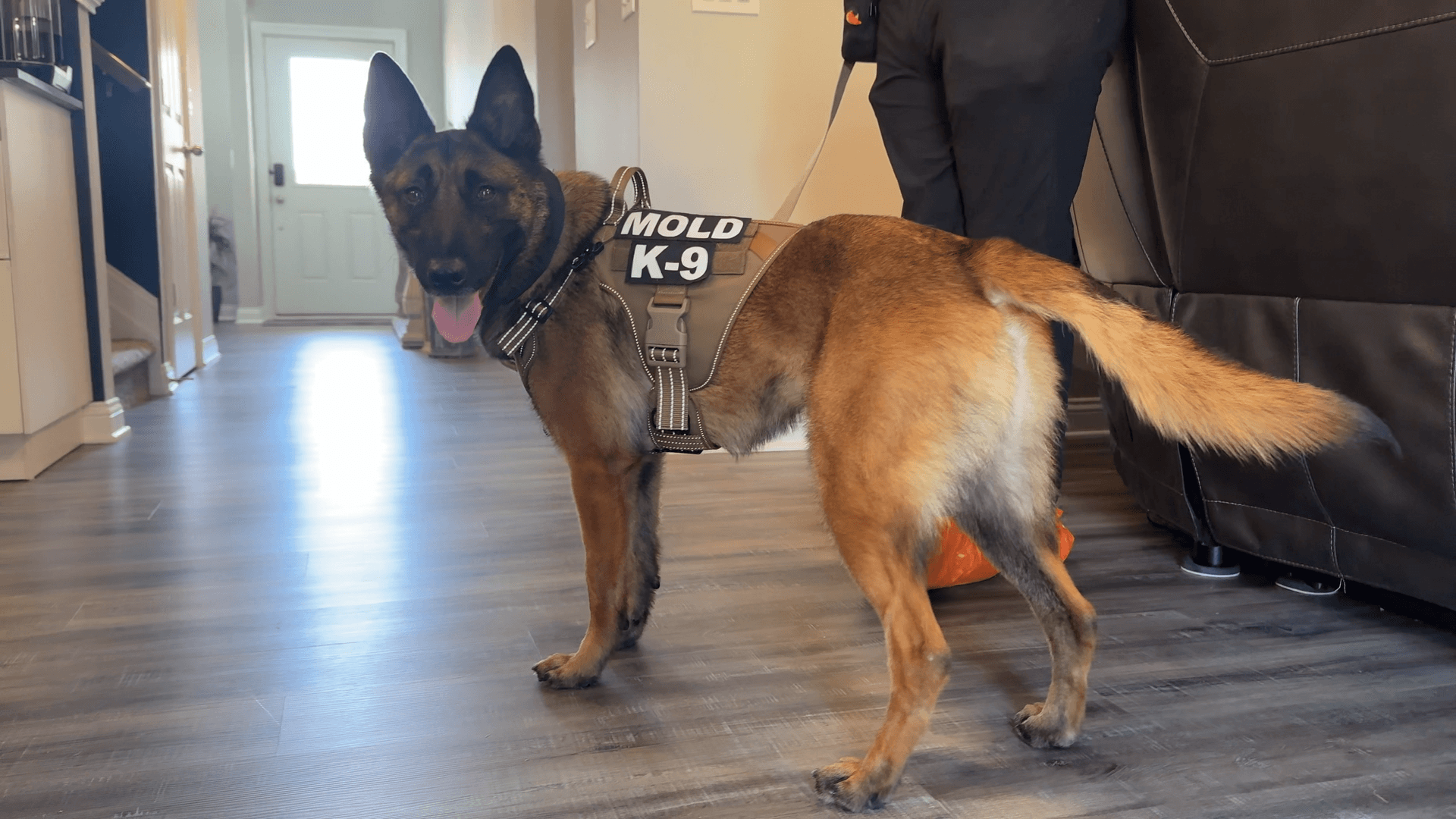
Why Meeka the Mold Dog Delivers Better Results Than Traditional Testing
Jul 3, 2025

The Hidden Threat Lurking Behind New Walls: Wendy’s Mold Nightmare
Jun 28, 2025

From Figure Skater to Fighting Mold: Christy’s Battle Against Hidden Toxins
Jun 14, 2025

Commercial Mold Inspections in Lexington, KY: Why Businesses Need K9 Detection
May 14, 2025

Why Kentucky Homes Are at Higher Risk for Mold (and What to Do About It)
May 7, 2025
Mold Testing in Lexington Kentucky: What to know
Apr 14, 2025
Why Early Mold Detection Matters in Lexington, KY
Apr 14, 2025

How Mold Detection Dogs Find Hidden Mold Without Tearing Into Walls
Mar 22, 2025

Mold Detection Dogs vs. Air Quality Tests: Which One is More Accurate?
Mar 18, 2025